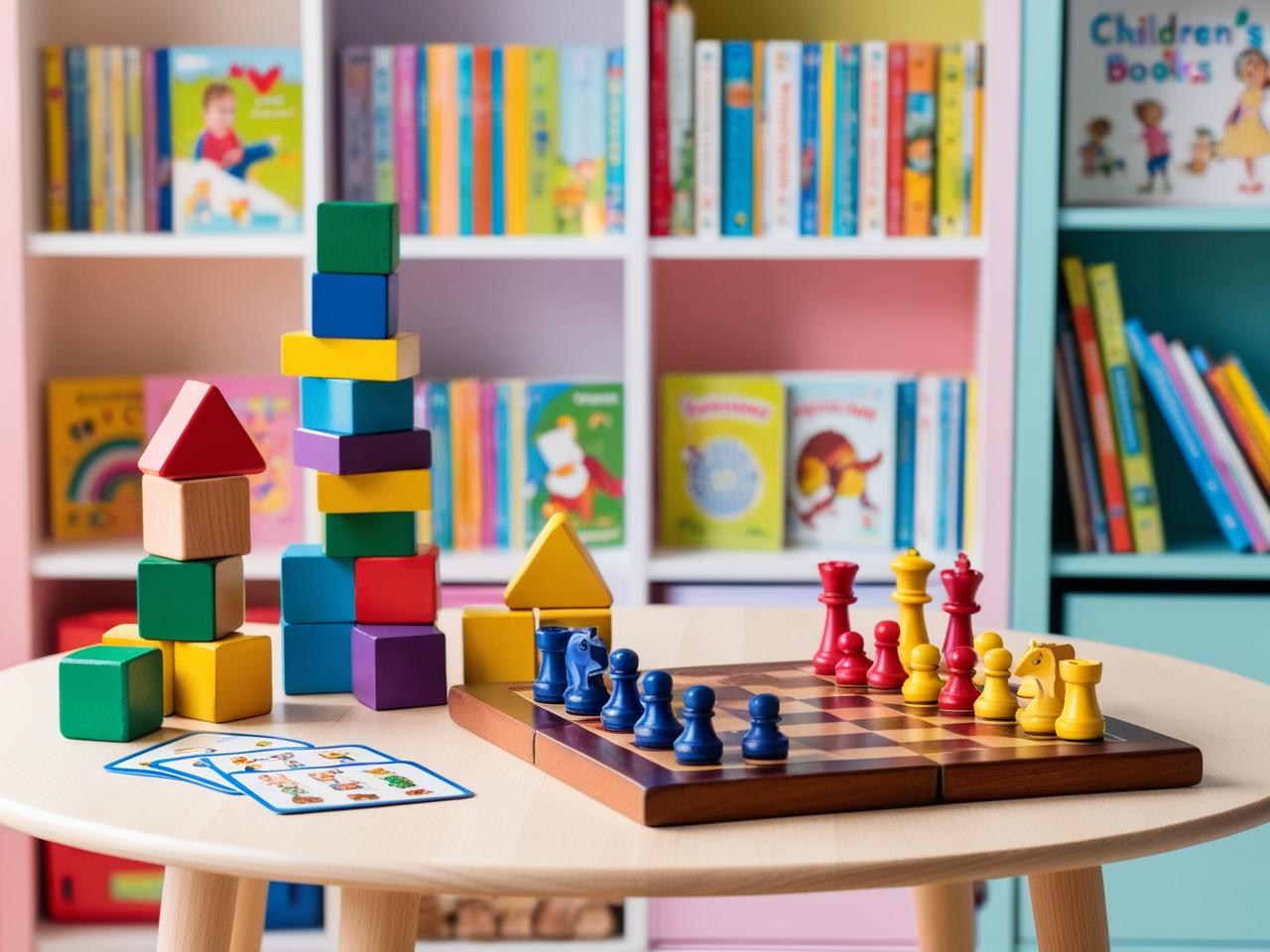
In modern education, educational toys are more than just entertainment; they are tools for learning. Research shows that through play, children can enjoy fun while simultaneously promoting brain development. Especially during early growth stages, play is a crucial avenue for cognitive development. This article explores how educational toys can enhance children's brain development, providing insights for parents and educators on selecting and using such toys.

The Science Behind Play and Cognitive Development
Memory
Educational toys like memory games and puzzles can significantly boost a child's memory. These toys require children to remember the location or pattern of objects, thereby enhancing both short-term and long-term memory.
Logical Thinking
Strategy games or toys that require problem-solving foster logical thinking in children. Through playing these games, kids learn to predict outcomes, strategize, and solve complex problems.
Spatial Awareness
Construction toys, such as building blocks, help children develop spatial awareness. These toys encourage kids to think in three dimensions, understanding relationships between objects, balance, and gravity.
Executive Functions
Certain toys that involve planning and decision-making can improve executive functions in children, including attention, planning, and self-regulation, which are key skills for success in life.
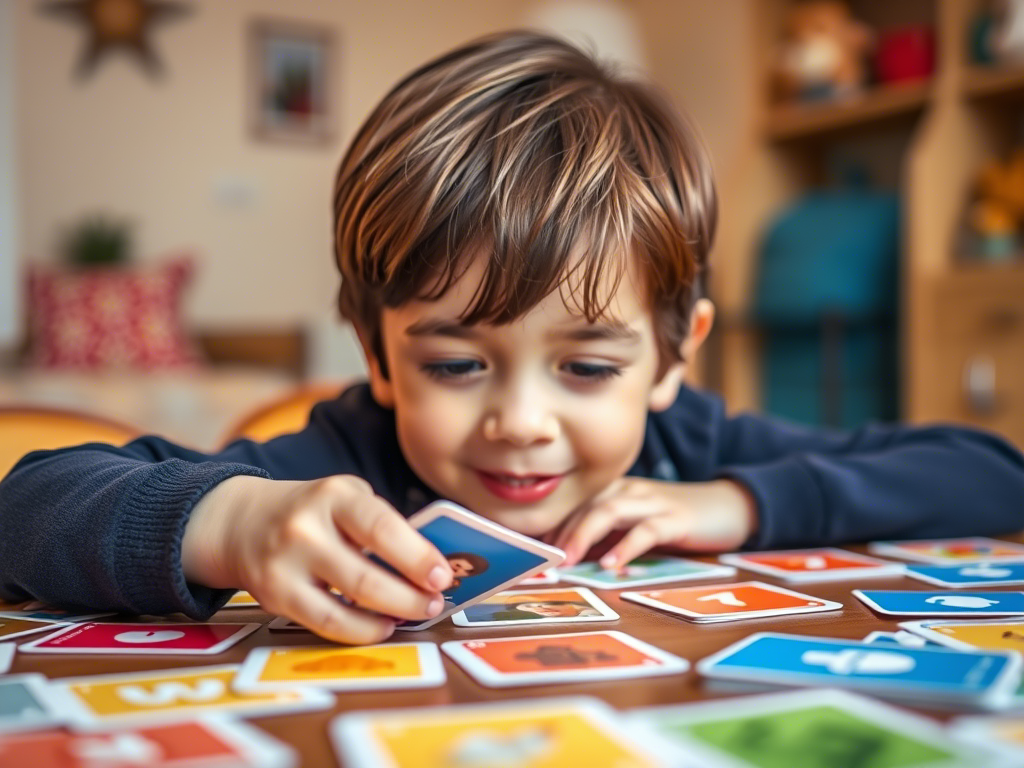
Specific Examples of Educational Toys and Their Impact
Puzzles
Puzzles are not just about fitting pieces together; they help children with pattern recognition, problem-solving, and improving patience and focus.
Building Blocks
Building blocks allow kids to grasp physical principles like balance and structural stability. They also spark creativity as children can create an endless array of structures.
Strategy Games
Games like chess or checkers teach children to think ahead, strategize, and enhance their logical abilities through mathematical calculations within the game.
Limitations and Broader Educational Context
While educational toys play a significant role in cognitive development, they cannot shoulder the entirety of education alone. A child's learning requires a comprehensive environment that includes formal education, parental interaction, and various learning experiences. The reliance on toys for cognitive development has its limitations and should be used in conjunction with other educational methods.
Practical Application for Parents and Educators
Parents and educators can:
- Integrate Educational Toys: Incorporate toys into daily activities or lesson plans, encouraging children to learn through play.
- Observe and Guide: Pay attention to how children interact with toys and offer guidance to maximize learning. For example, ask questions to stimulate thinking about what they've learned through play.
Conclusion
Educational toys provide a unique platform for learning through play, helping children develop in various cognitive domains. However, education is a multifaceted process where toys are just one part. Encouraging parents and educators to adopt a holistic learning approach ensures that children not only enjoy play but also achieve well-rounded brain development and learning advancements.

References
-
"The Power of Play: A Research Summary on Play and Learning"
-
"How Toys Impact Child Development"
-
Source: Psychology Today
-
-
"The Role of Play in Early Childhood Development"