Introduction
Every child is a unique seed, and they need different nutrients to grow. Educational toys are like magical keys that unlock the door to a child's intelligence, allowing them to explore the world, learn new things, and develop their abilities while playing. Children of different ages have varying cognitive levels and physical developments, so it's crucial to choose the right educational toys for them. This article will provide a detailed introduction to the types of educational toys suitable for children of different ages and how they can promote various aspects of children's development.
0-1 Years: Sensory Exploration Stage
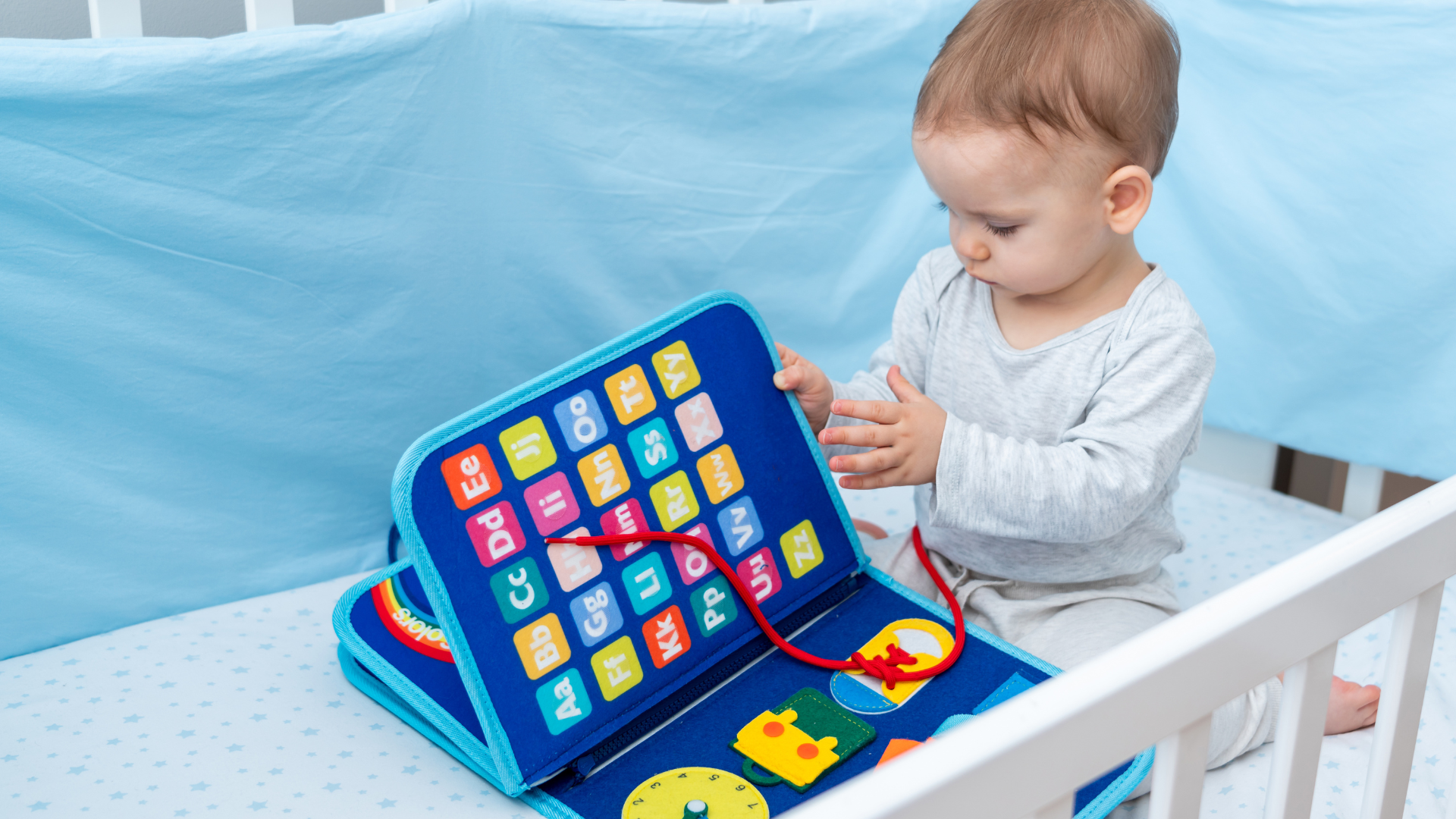
At this stage, infants are like sponges, curious about everything around them. They explore the world through their senses, such as vision, hearing, and touch, gradually building a basic understanding of the world. Therefore, educational toys suitable for this age group should stimulate their senses and help them develop basic sensory abilities.
-
Visual Toys: Black-and-white cards and color cards are good choices. Black-and-white cards can help infants focus and improve their visual tracking skills; color cards can stimulate their visual nerves and help them recognize different colors. Additionally, hanging toys are also a good choice, as they can attract infants' attention and help them practice lifting their heads and following moving objects with their eyes.
-
Auditory Toys: Rattles, maracas, and music boxes can produce clear sounds that attract infants' attention and improve their auditory discrimination skills. Music boxes can play soothing music, helping infants relax and cultivate their musical perception abilities.
-
Tactile Toys: Cloth books, soft building blocks, and sensory balls are toys with soft textures and rich tactile sensations, allowing infants to perceive different textures through touch and improve their tactile perception abilities. At the same time, these toys can also improve infants' fine motor skills, laying a foundation for them to grasp and manipulate objects in the future.
1-3 Years: Motor Skill Development Stage
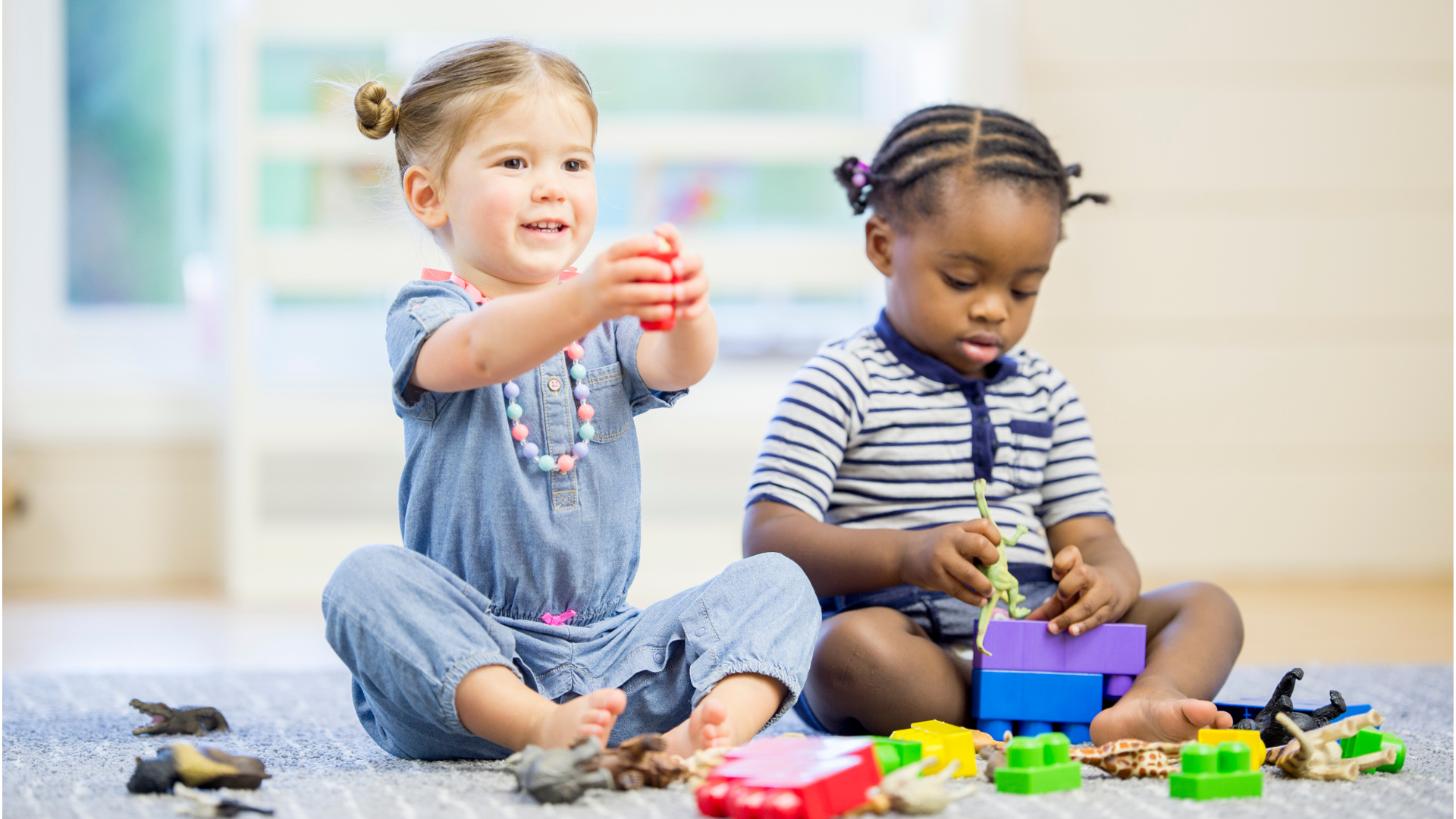
At this stage, toddlers begin to learn to crawl, walk, run, and jump, and gradually develop language and cognitive abilities. They like to imitate adults' behaviors and show a strong interest in the surrounding environment. Therefore, educational toys suitable for this age group should improve their motor skills and help them develop language and cognitive abilities.
-
Motor Skill Toys: Push cars, balls, and building blocks can improve toddlers' gross motor skills, such as crawling, walking, running, and jumping. At the same time, these toys can also improve toddlers' hand-eye coordination, allowing them to learn to control their bodies while playing.
-
Language Toys: Picture books, puzzles, and role-playing toys can help toddlers learn language and develop their language expression and comprehension abilities. Picture books can provide toddlers with rich vocabulary and storylines, stimulating their interest in reading; puzzles can improve toddlers' observation and logical thinking abilities; role-playing toys can allow toddlers to imitate adults' behaviors and learn social skills.
-
Cognitive Toys: Shape sorters, interlocking toys, and magnetic tiles can help toddlers recognize different shapes, colors, and numbers, improving their logical thinking and problem-solving abilities. These toys can allow toddlers to learn basic concepts such as classification, sorting, and comparison while playing, laying a foundation for their future learning of mathematics and science.
3-6 Years: Social Development Stage
At this stage, children begin to attend kindergarten, learn to get along with others, and develop more complex cognitive and social skills. They like to play with peers and start to think more deeply about the world around them. Therefore, educational toys suitable for this age group should promote their social development and help them develop creativity and logical thinking abilities.
-
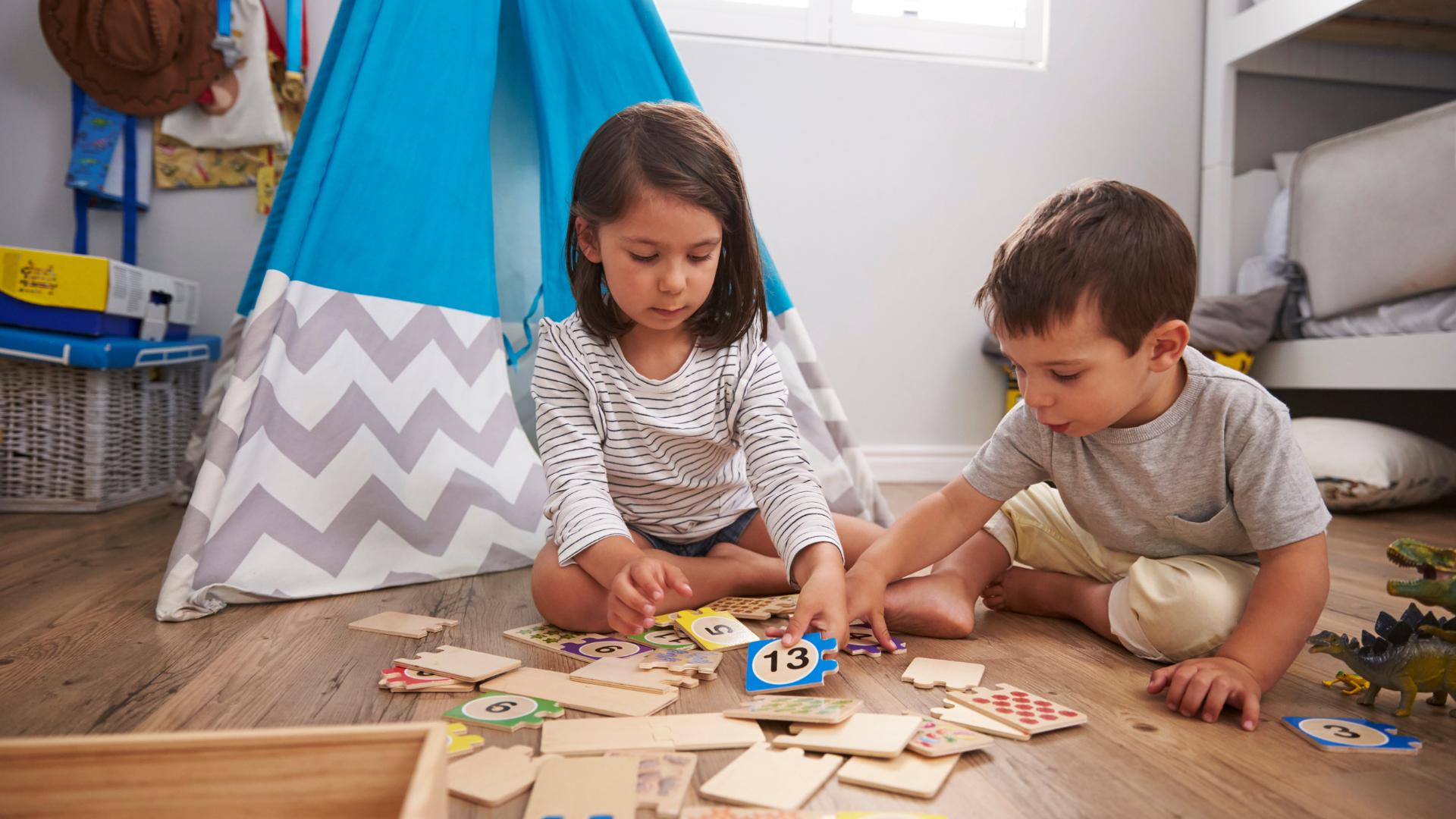
Collaborative Toys: Role-playing toys, building blocks, and puzzles can allow children to play with peers, learning cooperation, sharing, and taking turns. These toys can allow children to learn how to get along with others while playing, cultivating their team spirit.
-
Creative Toys: Painting tools, craft materials, and LEGO can stimulate children's imagination and creativity, allowing them to freely express their ideas while playing. These toys can allow children to experience the joy of creation and cultivate their artistic perception and creative thinking.
-
Logical Toys: Puzzles, board games, and programming toys can improve children's logical thinking and problem-solving abilities. These toys can allow children to learn to analyze problems, find patterns, and develop strategies while playing, laying a foundation for their future learning of mathematics, science, and programming.
Tips for Choosing Educational Toys
When choosing educational toys for children, the following aspects should be considered:
-
Safety: Choose toys that meet safety standards, avoiding small parts, sharp edges, and other potential hazards to ensure children's safety.
-
Age-Appropriateness: Choose toys that are suitable for children's age and abilities, avoiding toys that are too simple or too complex, allowing children to gain a sense of accomplishment while playing.
-
Interest: Choose toys that children are interested in, stimulating their curiosity and learning interest, allowing them to gain happiness while playing.
-
Diversity: Provide toys of various types to promote children's comprehensive development, allowing them to experience different joys while playing.
Conclusion
Educational toys are indispensable companions in children's growth. They can help children learn knowledge, develop abilities, and grow happily while playing. We hope this article can provide some reference for you when choosing educational toys, allowing your child to gain happiness and growth while playing!