,-Technology-(circu.jpeg?w=1472&h=832)
STEM education is not just a buzzword; it's a vital framework for preparing today's youth for the challenges of tomorrow. But how do we make STEM accessible and engaging for children? The answer might be right in the toy box. Educational toys, from the simplest puzzles to more complex building sets, can ignite curiosity and foster critical thinking, laying down the foundational skills necessary for STEM disciplines.
Science Through Play
Take the humble building block, for instance. These aren't just for creating towers and castles. By experimenting with balance and stability, kids learn basic physics principles like gravity and equilibrium. Even a simple game of Jenga can teach about center of mass and why structures fall.
Technology in Toy Form
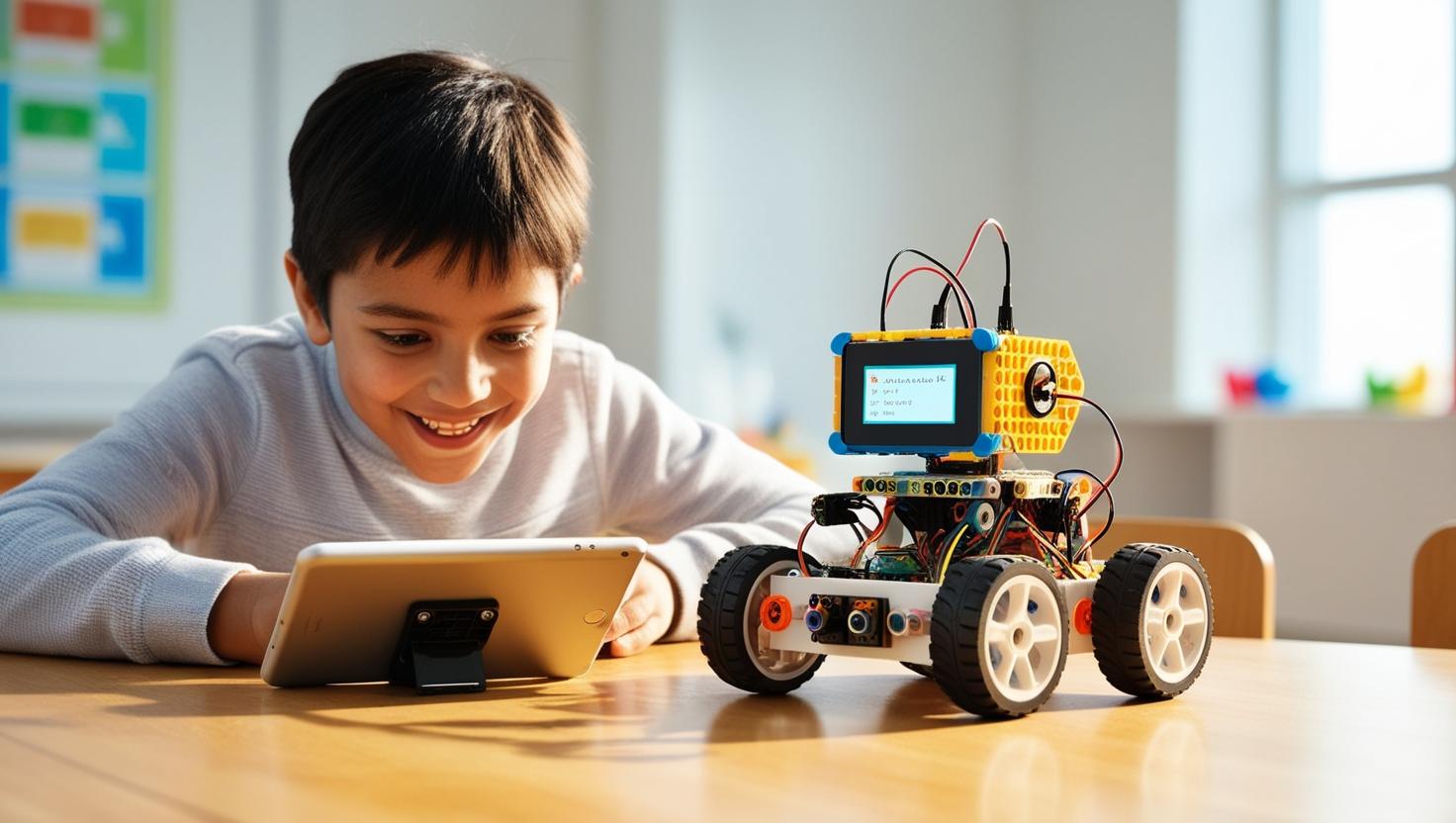
Toys like LEGO Mindstorms or even simpler sets that introduce coding concepts allow children to dive into technology. These toys provide a hands-on approach to understanding how programs and algorithms work, demystifying technology and making it a part of play rather than just a subject to be learned.
Engineering with Everyday Puzzles
Engineering isn't about complex machines; it's about solving problems. Puzzles like jigsaw puzzles or K'NEX sets encourage kids to think about design, structure, and function. Each piece they connect is a lesson in engineering principles, teaching them to plan, test, and adapt their solutions.
Mathematics in Disguise
Games like Sudoku or even traditional board games like chess or checkers introduce mathematical concepts subtly. Strategy games require pattern recognition, logical thinking, and sometimes even basic arithmetic, all of which are math skills in disguise.
Tips for Educators
- Incorporate Toys into Lessons: Use puzzles or building blocks as part of your curriculum to demonstrate real-world applications of STEM concepts.
- Encourage Experimentation: Allow students to learn from failure. If a tower falls or a puzzle doesn't fit, it's a perfect opportunity to discuss why and how to improve.
For Parents at Home
- Create a STEM Play Area: Dedicate a space for STEM toys where children can freely explore and experiment.
- Join In: Participate in building or solving puzzles with your child to enhance their learning through interaction and discussion.
Looking Ahead
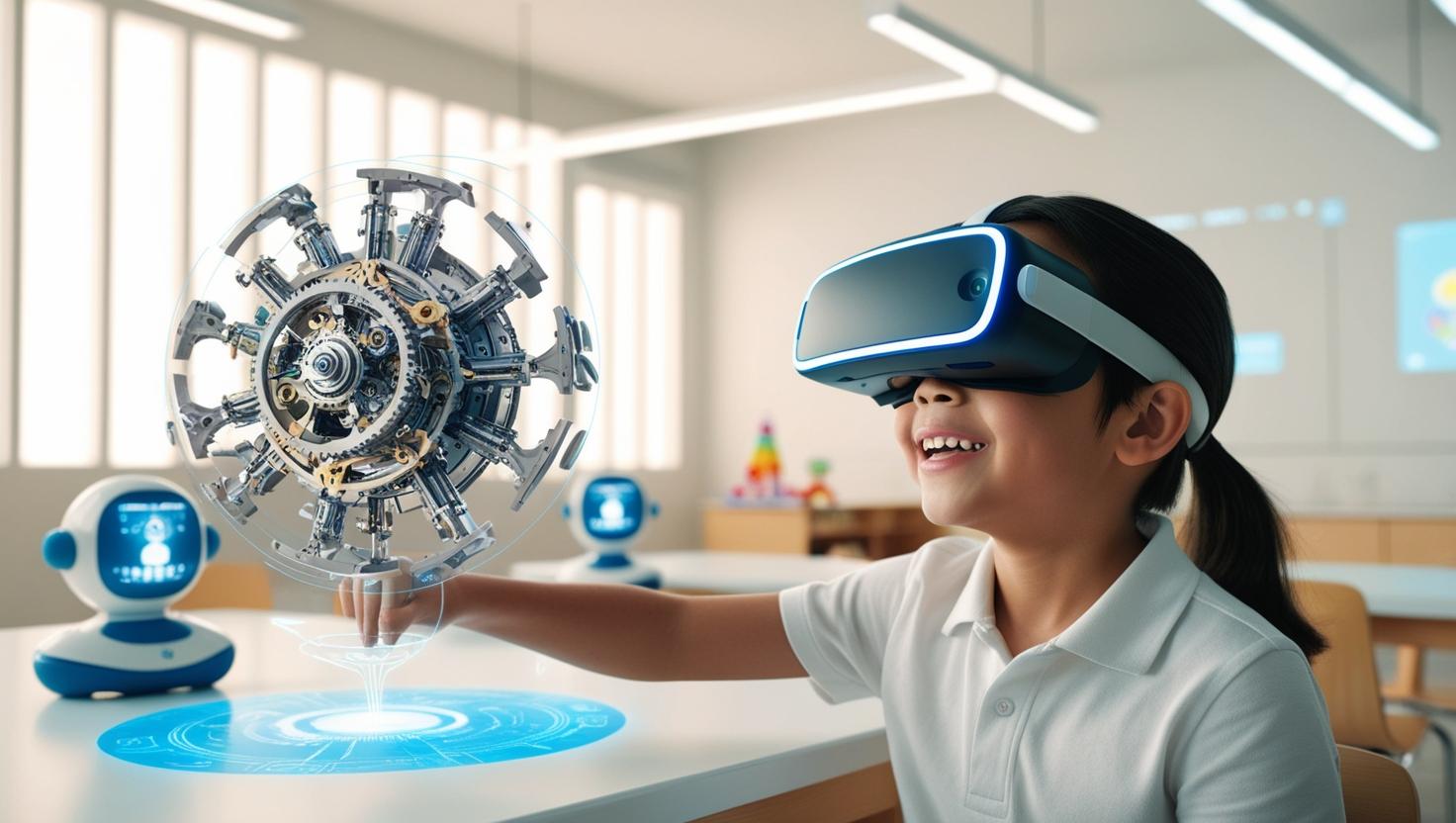
The future of STEM education might well involve more sophisticated toys that integrate AI, VR, or AR, making learning even more immersive. However, the core philosophy remains: learning through play is a powerful tool.
Conclusion
Educational toys are not just about keeping kids entertained; they are gateways to understanding complex STEM concepts in an intuitive, enjoyable way. By harnessing the power of play, we can nurture the next generation of scientists, engineers, and mathematicians.
Call to Action
For more resources on how to integrate STEM into play, explore our website further or dive into our curated list of educational toys that make learning irresistible.